Atropine
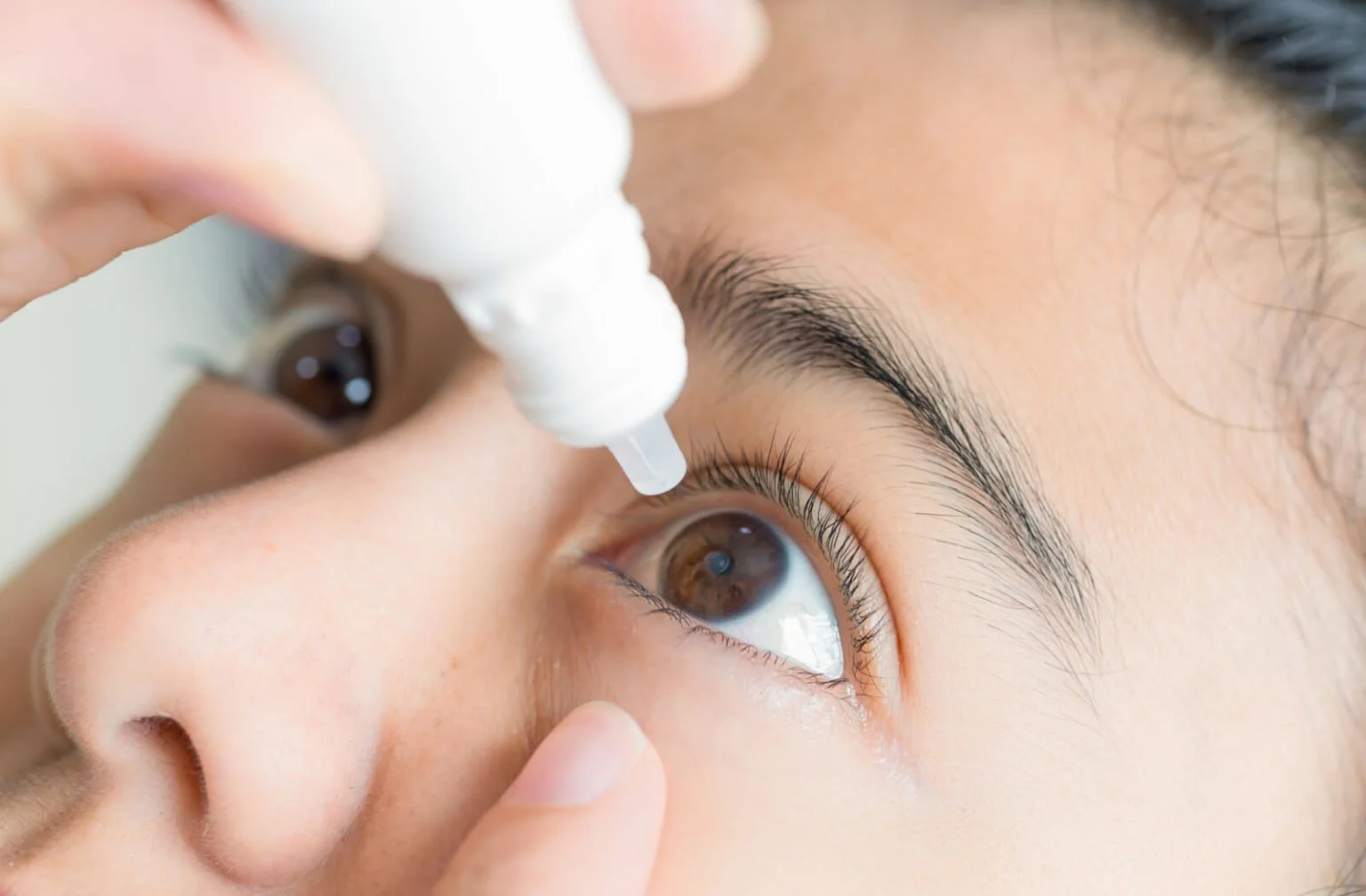
Atropine eye drops have become one of the most effective and widely studied treatments for slowing the progression of myopia in children. As rates of childhood myopia rise globally, atropine offers an evidence-based strategy to reduce how quickly eyesight deteriorates and to limit long-term risks associated with high myopia.
Atropine is a medication traditionally used to dilate the pupil and relax the focusing system of the eye. However, its role in myopia control is not due to its effect on accommodation, but rather its action on biochemical pathways within the retina and sclera that influence axial elongation—the physical lengthening of the eye. Excessive axial elongation is the key driver of progressive myopia, and even small reductions can meaningfully lower the risk of future complications such as retinal detachment, glaucoma, and myopic macular degeneration.
Research over the past decade, including the landmark ATOM1 (1) and ATOM2 (2) trials, has shown that low-dose atropine (typically 0.01% to 0.05%) can slow myopia progression by 50–60% on average. Higher concentrations such as 1% are effective but cause significant side effects—light sensitivity and blurry near vision—making them unsuitable for long-term use in children. Low-dose formulations offer a much better balance: strong myopia-control benefits with minimal impact on daily activities.
Atropine therapy is usually applied once nightly, and treatment may continue for several years during a child’s peak myopia-progression period. Many eye care practitioners pair atropine with optical control methods, such as orthokeratology or myopia-control spectacle lenses, for additional benefit.
Overall, atropine is a safe, well-studied, and highly effective tool in modern myopia management. By slowing the rate at which the eye grows, it helps preserve long-term ocular health and reduces the lifetime risk of potentially sight-threatening myopic diseases. Regular monitoring and personalised treatment are essential to ensure the best outcomes for each child.
Chia A, Chua WH, Cheung YB, Wong WL, Lingham A, Fong A, Tan D. Atropine for the treatment of childhood myopia: safety and efficacy of 0.5%, 0.1%, and 0.01% doses (Atropine for the Treatment of Myopia 2). Ophthalmology. 2012 Feb;119(2):347-54. doi: 10.1016/j.ophtha.2011.07.031. Epub 2011 Oct 2. PMID: 21963266.
Chia A, Lu QS, Tan D. Five-Year Clinical Trial on Atropine for the Treatment of Myopia 2: Myopia Control with Atropine 0.01% Eyedrops. Ophthalmology. 2016 Feb;123(2):391-399. doi: 10.1016/j.ophtha.2015.07.004. Epub 2015 Aug 11. PMID: 26271839.