Cholesterol & the Eyes
Cholesterol plays a vital role in the body, but when levels become elevated, it can significantly increase the risk of several serious eye conditions.
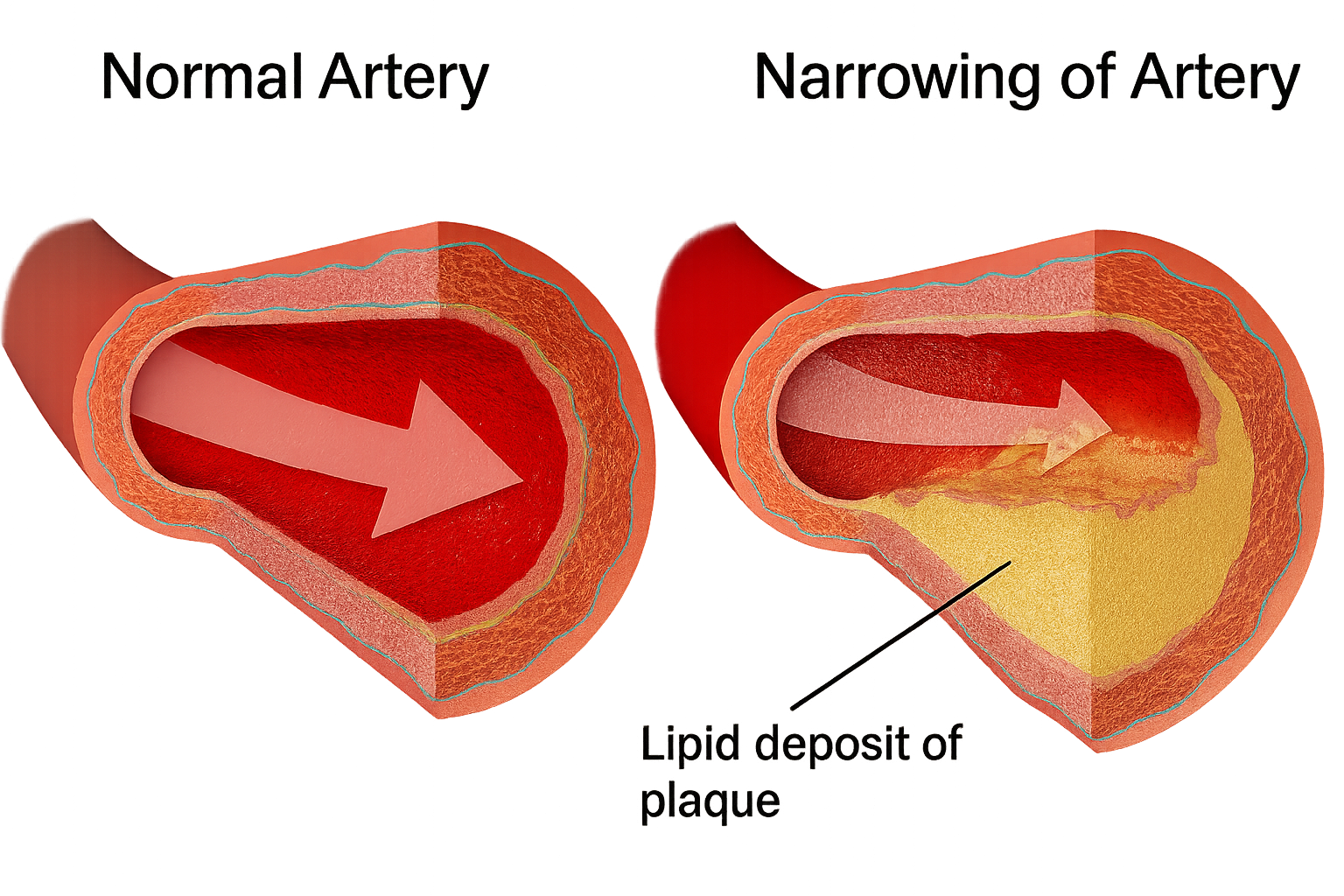
High cholesterol can cause arteries to harden through a process called atherosclerosis, where fatty deposits containing cholesterol, calcium, and other substances build up on artery walls. This buildup, known as plaque, narrows and stiffens the arteries, reducing blood flow and increasing the risk of heart attack and stroke. High cholesterol can also harm the delicate blood vessels that supply the eyes—particularly the retina, the light-sensitive tissue responsible for clear vision.
One major eye condition linked to high cholesterol is retinal artery occlusion, sometimes described as a “stroke of the eye.” When cholesterol plaques (known as emboli) travel through the bloodstream, they can lodge in the small arteries that nourish the retina. This blockage abruptly cuts off blood flow, causing sudden, painless vision loss in the affected eye. Retinal artery occlusion is a medical emergency and often indicates underlying cardiovascular risk. Detecting cholesterol emboli inside the eye can also alert doctors to systemic disease, such as carotid artery narrowing, that may increase the risk of a future stroke.
High cholesterol is also associated with age-related macular degeneration (AMD), a leading cause of vision loss in older adults. Research shows that lipid accumulation plays a role in the formation of drusen—yellow deposits beneath the retina that are characteristic of AMD. These deposits contain cholesterol and other fats, and their presence is linked to inflammation and degeneration of the macula, the central part of the retina responsible for detailed vision. Elevated systemic cholesterol may contribute to the growth of drusen and speed the progression of AMD, especially the dry form.
Additionally, high cholesterol can affect the retina by promoting hard exudates—fatty deposits that leak from compromised retinal blood vessels, commonly seen in diabetic retinopathy and hypertensive retinopathy. The presence of hard exudates indicates chronic vascular damage and can threaten central vision if they accumulate near the macula.
Maintaining healthy cholesterol levels through balanced diet, regular exercise, and appropriate medications not only protects cardiovascular health but also helps preserve long-term vision. Routine eye examinations can detect early signs of cholesterol-related damage, allowing timely intervention to prevent irreversible sight loss.