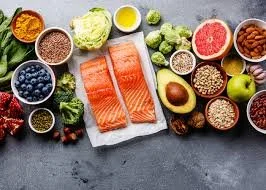
Diet & the Eyes
Maintaining healthy vision throughout life is closely linked to the foods we eat. A nutrient-rich diet not only supports daily visual function but can significantly reduce the risk of age-related eye diseases, including age-related macular degeneration (AMD), glaucoma, and dry eye disease.
Diet & Age-related Macular Degeneration
Certain vitamins, minerals, and antioxidants play key roles in protecting the retina and maintaining the integrity of ocular tissues. One of the most important groups of nutrients for eye health are carotenoids, particularly lutein and zeaxanthin. These powerful antioxidants are concentrated in the macula, where they help filter harmful blue light and neutralise oxidative stress. Foods rich in lutein and zeaxanthin include spinach, kale, collard greens, broccoli, peas, and eggs. Regular consumption of these greens has been strongly associated with a lower risk of AMD.
Vitamin C, found in citrus fruits, berries, capsicums, and tomatoes, is another crucial antioxidant that helps maintain healthy blood vessels in the eye. Similarly, vitamin E, found in nuts, seeds, and avocados, protects retinal cells from oxidative damage.
Zinc, a mineral heavily concentrated in the retina, is vital for transporting vitamin A from the liver to the eye. Foods such as oysters, lean meats, beans, and whole grains provide an excellent natural source. Adequate zinc intake has been linked with slower progression of AMD.
Lastly, brightly coloured fruits and vegetables—such as carrots, sweet potatoes, mangoes, and capsicums—contain beta-carotene, which supports good night vision and overall retinal health.
Diet & Glaucoma
The MIND diet—short for Mediterranean-DASH Intervention for Neurodegenerative Delay—is a hybrid eating pattern that combines key elements of the Mediterranean diet and the DASH diet, both of which emphasise whole, nutrient-rich foods. It was originally developed to protect the brain and reduce the risk of Alzheimer’s disease, but emerging research suggests it may also benefit eye health, particularly in conditions such as glaucoma.
Glaucoma involves progressive damage to the optic nerve, often related to elevated intraocular pressure (IOP), impaired blood flow, oxidative stress, and neurodegeneration of retinal ganglion cells (cells that send visual information from the retina to the brain). The MIND diet targets many of these mechanisms through nutrients known to support neuronal health and vascular function.
The diet encourages regular consumption of leafy green vegetables, berries, nuts, whole grains, beans, fish, poultry, and olive oil, while limiting red meat, butter, fried foods, pastries, and excessive salt. Leafy greens such as spinach and kale are rich in nitrates, which can help improve ocular blood flow by enhancing nitric oxide availability. Adequate blood flow to the optic nerve is essential for protecting retinal ganglion cells from ischaemic stress (lack of oxygen). Berries, particularly blueberries and strawberries, provide high levels of antioxidants that combat oxidative stress—a major contributor to glaucomatous nerve damage.
Healthy fats also play a key role. Omega-3 fatty acids from fish support neuronal membrane integrity and reduce inflammation, both of which may slow retinal ganglion cell degeneration. Olive oil also support vascular health and reduce oxidative damage. Whole grains, nuts, and legumes help regulate blood sugar and reduce systemic inflammation, both of which indirectly support eye health.
Importantly, the MIND diet’s neuroprotective effects extend beyond the eye. It is strongly associated with reduced rates of cognitive decline and age-related neurodegenerative diseases. Since glaucoma shares many mechanisms with central nervous system neurodegeneration—the diet’s protective effects may translate to slower progression of optic nerve damage.
While the MIND diet is not a substitute for medical treatment, it offers a practical, evidence-based approach to supporting long-term ocular and neurological health.
Diet & Dry Eye
Diet plays a significant role in supporting the health of the tear film and reducing the symptoms of dry eye disease. The tear film depends on a delicate balance of water, oils, and mucin, and certain nutrients help strengthen these layers while reducing inflammation that contributes to dryness and irritation.
One of the most important dietary factors is omega-3 fatty acids, found in fish such as salmon, sardines, mackerel and tuna are excellent sources. For those who prefer plant-based options, flaxseeds, chia seeds, and walnuts also offer omega-3s.
Omega-3s help reduce inflammation along the eyelid margins and improve the quality of the oily (meibomian) layer of the tears, which slows evaporation. Numerous studies have shown that increasing omega-3 intake can decrease dryness, burning, and fluctuating vision.
Antioxidant-rich foods also play a key role. Colourful fruits and vegetables—especially leafy greens, carrots, capsicum, and berries—provide vitamins A, C, and E, which protect the surface of the eye from oxidative stress. Vitamin A is essential for the health of the conjunctiva and the mucin-producing goblet cells that help stabilise the tear film.
A balanced, nutrient-rich diet cannot cure dry eye on its own, but it can significantly reduce symptoms and support the effectiveness of other treatments.
Summary: Diet plays a pivotal role in both our general and eye health. A balanced diet rich in nutrients, combined with healthy lifestyle habits and regular eye examinations, offers powerful protection against eye disease and supports long-term visual wellbeing.