Scleral Lenses
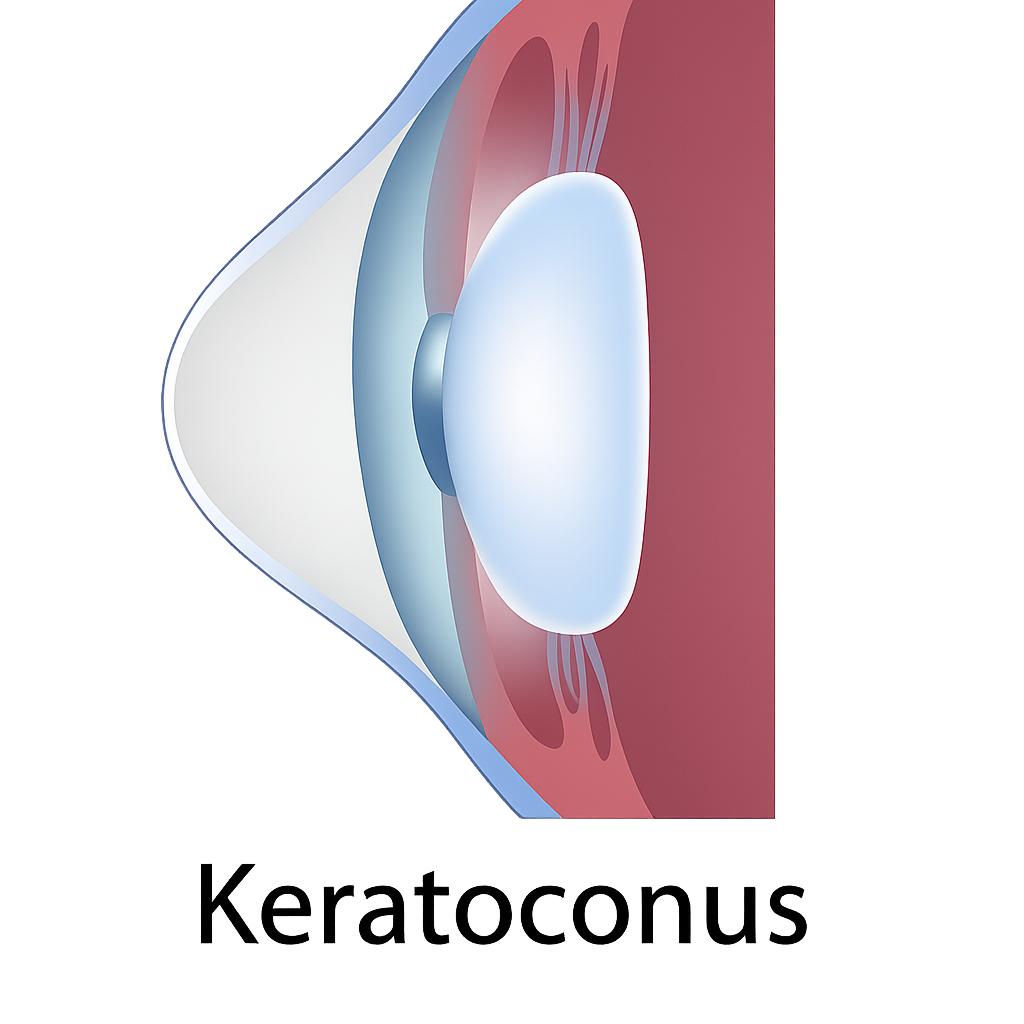
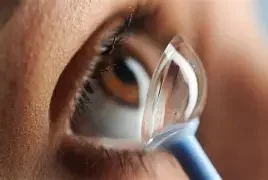
Scleral lenses are large-diameter rigid gas permeable (RGP) contact lenses designed to completely vault over the cornea (the clear window at the front of the eye) and rest on the white part of the eye (the sclera). Unlike traditional RGP or soft lenses, scleral lenses create a smooth, stable optical surface while maintaining a fluid reservoir between the lens and the cornea. This unique design provides both visual and therapeutic benefits, making scleral lenses an important option for patients with irregular corneas and ocular surface disease. For individuals with keratoconus, scleral lenses can offer improved visual clarity by neutralising corneal distortion even in advanced cases. Because the lens does not touch the fragile, cone-shaped cornea, it avoids irritation and provides a more comfortable experience than smaller RGP lenses.
Scleral lenses are also highly beneficial for dry eye disease, particularly in moderate to severe cases or in conditions such as Sjögren’s syndrome. The fluid reservoir acts as a constant source of hydration, protecting the cornea from exposure and friction while significantly improving comfort.
For individuals with ocular allergies, scleral lenses can shield the sensitive corneal surface from allergens and mechanical irritation. Although they do not directly treat allergy symptoms, they can reduce eye rubbing and protect compromised tissue.
Fitting scleral lenses is a specialised process performed by an experienced contact lens practitioner trained in advanced fitting techniques. The fitting begins with detailed corneal and scleral measurements, often using corneal topography or optical coherence tomography (OCT) imaging. Trial lenses of various diameters and vaults are applied to determine optimal clearance, alignment, and comfort. The practitioner evaluates the lens fit over time, making custom adjustments to ensure precise corneal vaulting, stable scleral support, and ideal tear exchange.
Because scleral lenses are fully customised, the fitting process may require several appointments. With proper assessment and individualised design, scleral lenses can dramatically improve both vision and comfort for patients with complex ocular conditions.